You can spot a real pizza obsessive by the way they size up a slice before that first bite.
There are plenty of South Hill pizza joints—some decent—but only a handful nail that razor-thin, shatteringly crisp crust like Ferrante’s. Most don’t even come close.
This isn’t luck; it’s physics, and this little Italian cafe provides one of the best case studies in town.
We’re not talking vague “artisan” labels and generic “wood-fired” claims. We mean the precise science and stubborn technique that separates a limp pie from the kind of Italian-style crispness that actually crackles between your teeth.
Here’s how Ferrante’s does it differently, and why many other well-meaning South Hill pizza joints keep getting crispy crust wrong.
Why Most South Hill Pizza Crusts Fail Before They Hit the Oven
Start with the dough. A classic mistake: rushing the mix and underestimating hydration. Many Spokane pizzerias use pre-mixed doughs or cut proofing time to keep up with dinner rush. That shortcut guarantees mediocrity. Without a long, cold fermentation, the gluten never develops the proper structure.
Ferrante’s makes every batch of dough in-house daily, letting it ferment slowly overnight in the walk-in. That extra twelve hours delivers a subtle tang and, more importantly, creates a tight gluten network. You get strength without toughness—thin sheets that can crisp, not collapse.
The Science Behind True Crispness: Hydration, Heat, and Timing
This is where many South Hill pizza spots get exposed. Water content matters—a lot. Go too dry, and you’re gnawing on cardboard; too wet, and you’re eating focaccia with toppings. Ferrante’s dough has just enough hydration for extensibility but not so much that it turns floppy in the oven. They double-check dough for water weight with a digital scale, not by eye.
Then comes the bake: the deck oven runs up to 650°F (real temp, not just what the dial says). At that heat, water flashes to steam, giving the crust its blistered, crackling finish before the interior steams into softness.
Most home ovens top out at 500°F, where you’ll be fighting physics rather than technique alone.
Hand Stretching: The Forgotten Art That Machines Can’t Fake
Pre-formed dough disks are the enemy of texture. You see them everywhere in busy shops—uniform circles that look perfect but taste flat. Ferrante’s hand-stretches every pie to order. Gentle stretching prevents gas bubbles from forming during fermentation, which means air pockets in the crust and a less dense bite. Press too hard (or use a rolling pin), and you crush those bubbles, killing the chance for proper crispness. A stretched crust bakes unevenly—in a good way—with micro-zones of char and snap.
Toppings Aren’t Innocent: Weight and Water Affect Crispness
Here’s where most kitchens sabotage themselves. Pile on too many toppings or moisture-bomb ingredients—like wet mushrooms or soggy mozzarella—and you overload your crust before it even gets to the oven. Ferrante’s controls moisture with aged cheeses and pre-roasted veggies, layering with restraint.
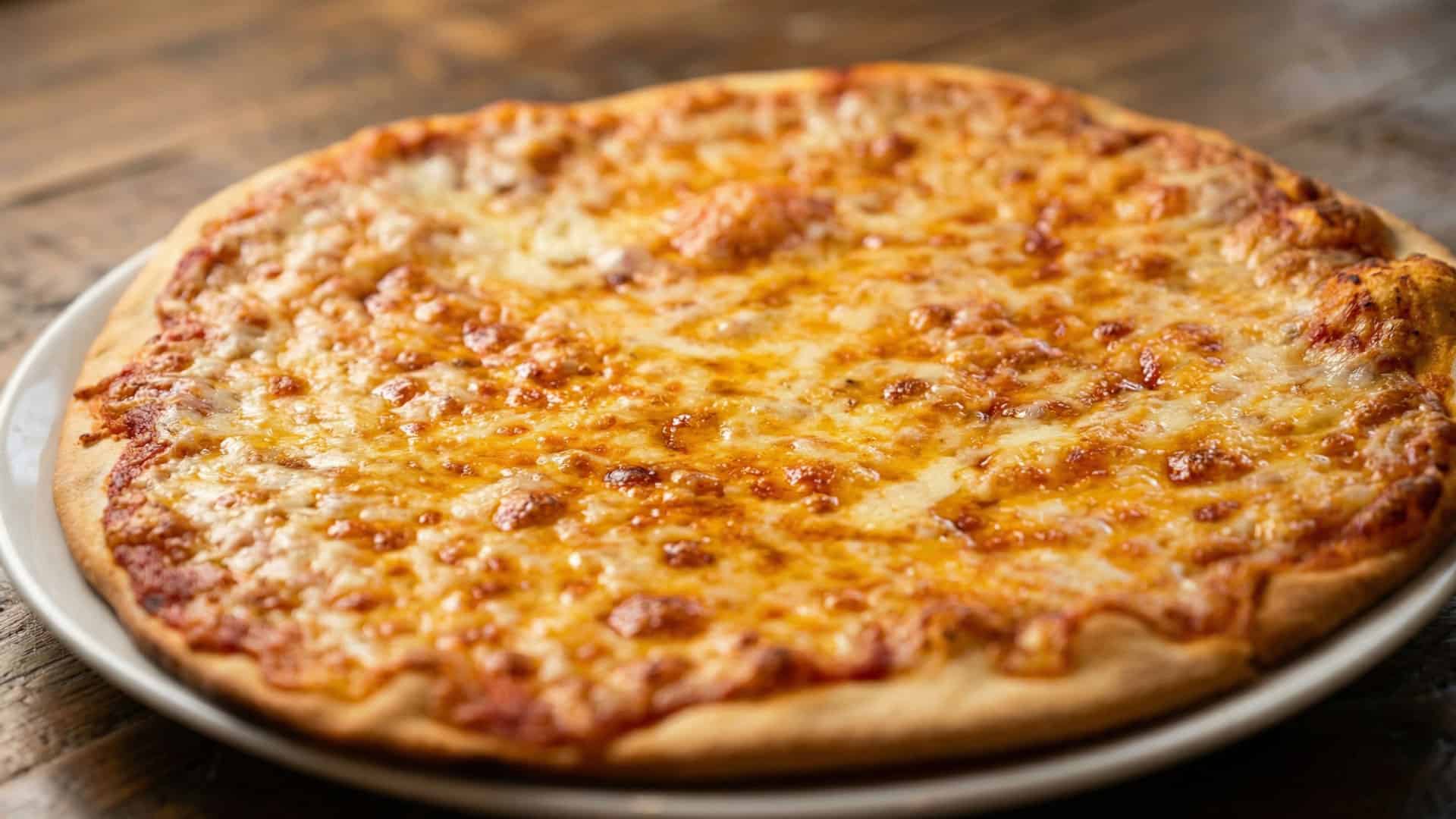
A Margherita shouldn’t be swimming in sauce; it’s dotted with just enough to caramelize at the edges. The cheese is cut thicker, so it melts more slowly and doesn’t drown the crust in oil. Every topping is a calculated choice, not a dumping ground for leftovers.
The Final Seconds: Pulling at Peak Crispness, Not What’s Convenient
Most shops pull pizzas when they look done—not when they sound done. The Ferrantes’ team listens for the crust to crack audibly as they tap it with a peel: if it doesn’t talk back, they’ll let it get cozy in the oven another 30 seconds.
That last half-minute can be the difference between ‘almost’ and ‘nailed it.’ They also let pizzas rest forty-five seconds before slicing—enough time for steam to escape so you don’t end up with a soggy bottom by the time it hits your table or takeout box. Timing isn’t a guess; it’s clockwork.
Ferrante’s Does Crispy South Hill Pizza Like No One Else
Plenty of kitchens claim tradition but cut corners on labor or ingredients once crowds roll in. Ferrante’s holds the line even during Friday night rush—no shortcuts on fermentation, no par-baked crusts, no frozen dough blocks lurking in back coolers.
This is one of the few spots in Spokane where you can reliably get a thin-crust pizza that stays crisp all the way through the final bite.
Now you can fake ambiance, and you can even fudge the toppings—but you can’t shortcut physics if you want a proper Italian-style crispness in your South Hill pizza. Ferrante shows daily that discipline trumps gimmicks.
From slow-fermented dough to oven discipline with topping restraint, every detail is engineered for a bite that crunches first and lingers on the palate. If you want to understand why some pies flop while others seem to sing, start here—and taste this difference for yourself.
Order your next South Hill pizza from Ferrante’s Marketplace Cafe and experience Grade-A crispness—dine in or take out tonight! Special request or quick question? Please use this form to get in touch!